Bespoke Furniture Customization Options Every Homeowner Should Know
Usually homeowners assume bespoke furniture is something reserved for architects and interior designers with unlimited budgets and a direct line to a craftsman in Vermont. That assumption keeps a lot of people stuck buying pieces that are almost right, almost the right size, almost the right finish, almost the right feeling for the room. The gap between "almost" and "exactly" is smaller than most people think, and exploring bespoke furniture customization options for homeowners is the most direct way to close it.
The reality is that tailor-made furniture has become far more accessible than it looks from the outside. Brands like Mercer & Gray have spent years making the bespoke process approachable for everyday homeowners, not just trade professionals with project budgets, no intimidating jargon, no guesswork required.
By the end of this article, you'll know exactly what customization options are available, what each one costs, how long the process takes, and how to place a clear brief with a maker without second-guessing yourself.
Bespoke, Custom, and Semi-Custom: What These Words Actually Mean
These three terms get used interchangeably in furniture marketing, which makes the shopping process genuinely confusing. They are not the same thing, and knowing the difference shapes every decision that follows.
Semi-custom means choosing from a manufacturer's pre-set menu of configurations. You pick a size from a dropdown, choose a finish from a chip card, and the factory builds that specific combination. The structure, silhouette, and production process are all fixed. Custom means modifying an existing design template: the maker has a base piece, and you adjust dimensions, materials, or details within certain parameters. Bespoke means starting from scratch. There's no catalog, no template, and no starting point other than your brief. Every dimension, material, and detail is decided in collaboration with the maker before a single piece of wood is cut.
Semi-custom covers roughly 80 to 90 percent of what most homeowners actually need, and it delivers that at a significantly lower price than full bespoke. For standard room layouts, common furniture sizes, and popular finishes, semi-custom is the smart, practical choice. Where it falls short is in the edges: awkward room dimensions, highly specific aesthetic visions, or pieces you genuinely intend to keep for decades. Full bespoke is where those situations find their answer.
Bespoke Furniture Customization Options: Materials and Wood Species
Material selection is where every bespoke conversation starts, and it's also the single biggest lever on price. Traditional hardwoods like oak, walnut, cherry, and maple are the workhorses of fine furniture for good reason: they're dense, durable, and age beautifully. White oak currently dominates contemporary design for its balance of hardness and visual character. Walnut scores lower on the Janka hardness scale but offers a deep, rich tone that's difficult to replicate with stain alone.
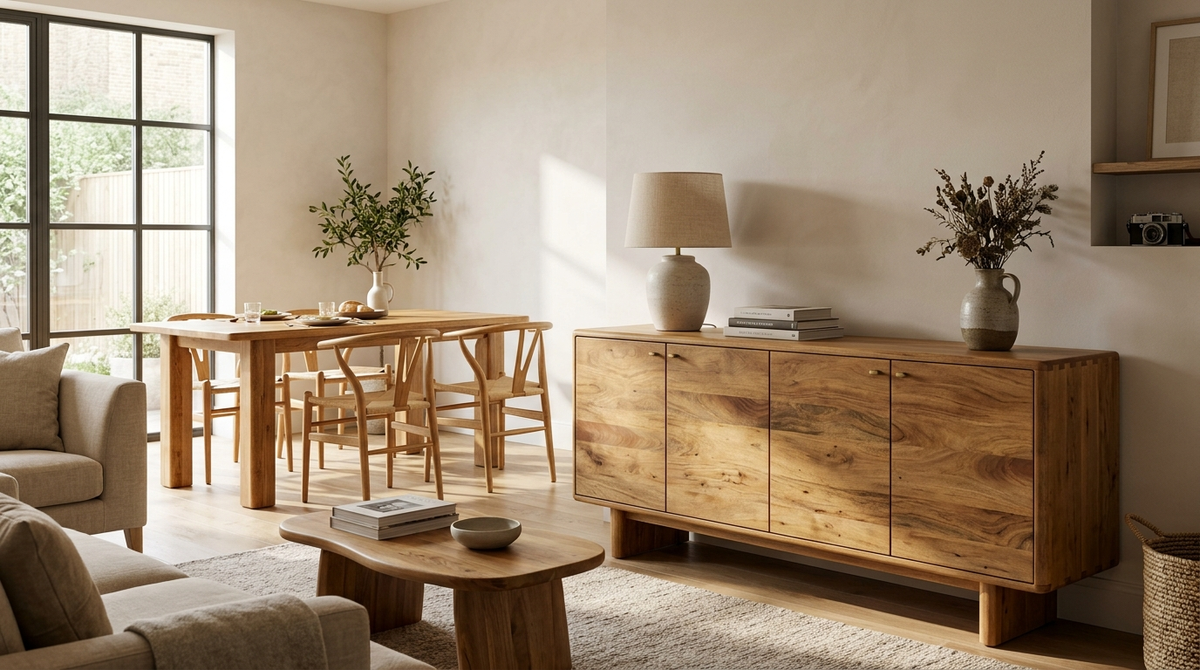
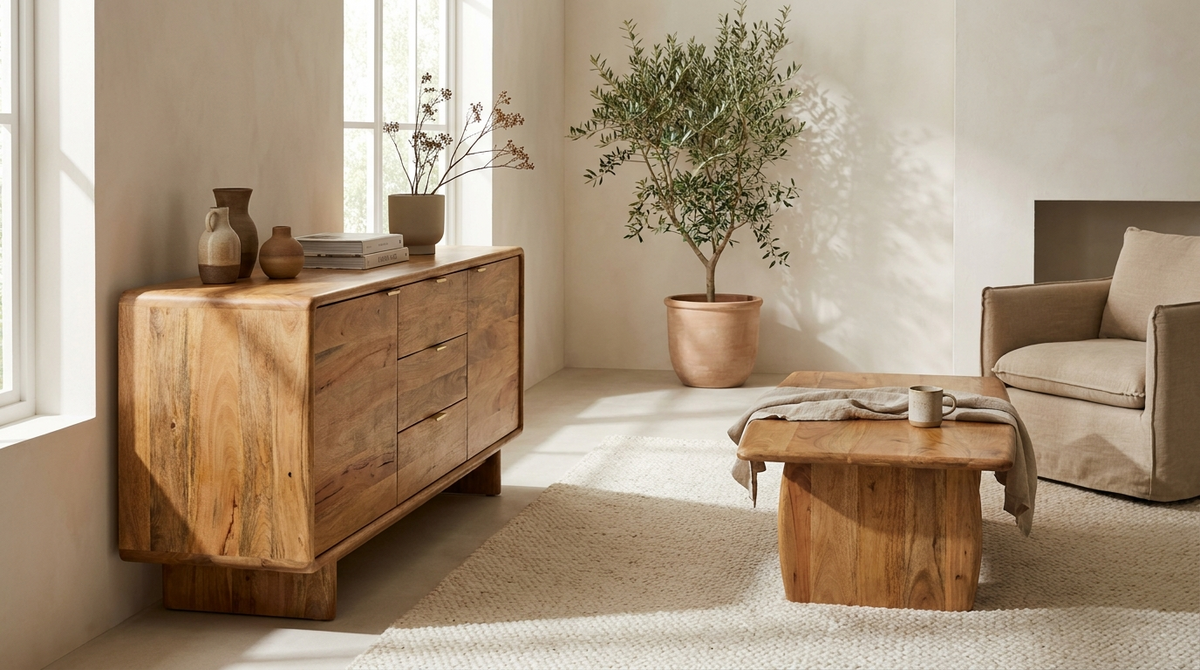
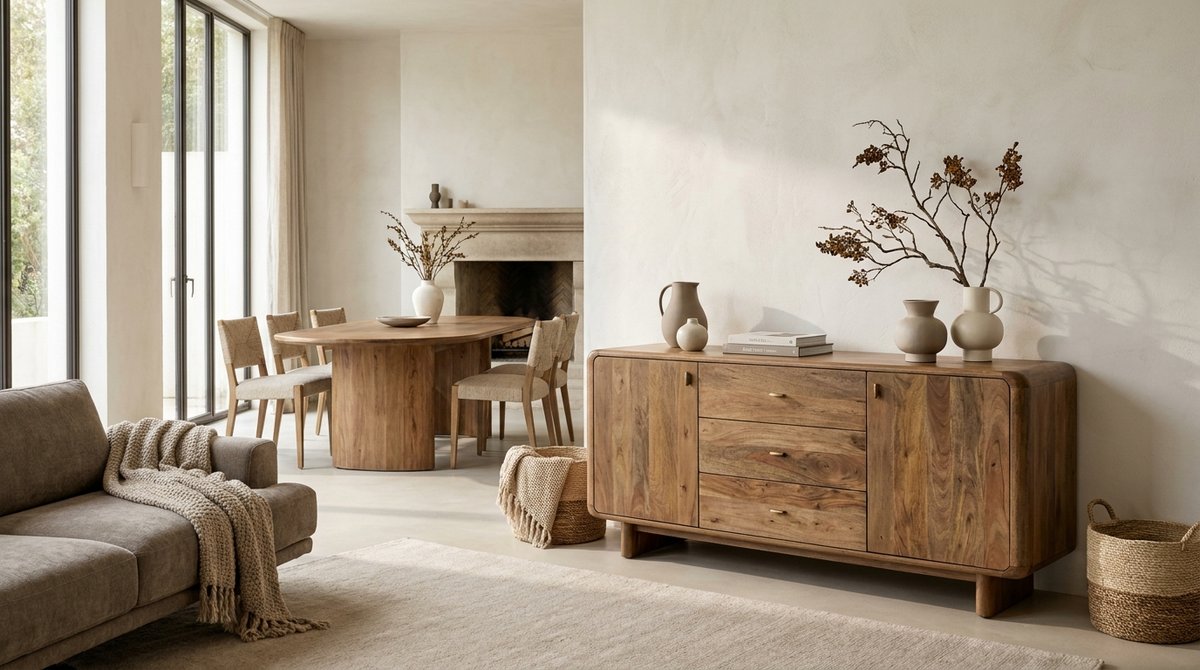
Mango wood, the primary timber used by Mercer & Gray, sits in compelling territory. It's a responsibly sourced hardwood harvested from trees that have completed their fruit-bearing cycle, which gives it strong sustainability credentials alongside genuine durability. For homeowners who want warmth, natural grain variation, and a clean conscience about where their furniture came from, mango wood is worth understanding before defaulting to oak or walnut.
Sizing to Your Exact Space
This is the most practical reason most homeowners pursue made-to-order furniture in the first place. Standard furniture sizes are designed for standard rooms, and standard rooms are the exception once you start measuring. Angled alcoves, low ceiling beams, sloped rooflines, and odd proportions are the norm in real homes, especially older ones.
A bespoke maker can build a dining table down to the exact inch, design a bed frame that sits flush into a sloped alcove, or extend a console to fill a hallway wall without awkward gaps on either side. The dimensional precision isn't about perfectionism for its own sake. It's about how a room actually feels when everything fits the way it should.
Hardware, Leg Styles, and Structural Details
Hardware and leg profiles shape the personality of a piece far more than most homeowners realize. Tapered legs read as mid-century; block legs suggest Shaker or rustic character; hairpin legs signal industrial. When a sofa and a coffee table in the same room speak different design languages, the room feels unsettled, even if you can't quite say why. Bespoke orders let these choices align with the existing pieces around them rather than working against them. For more on mixing pieces intentionally, see Mismatch Bedroom Furniture: A Stylish Guide.
Brass hardware ages into a warm, living patina over time. Brushed steel stays clean and neutral. Matte black reads as contemporary. A cabinet fitted with the wrong hardware can undermine a room that's otherwise beautifully composed. Getting to choose specifically, rather than accepting whatever the manufacturer has in stock, is a significant advantage.
Finishes, Fabrics, and the Details That Define the Look
Paint, Stain, and Surface Finish Options
A finish is what moves a piece from raw material to finished character. Matte finishes have a natural, tactile quality that reads as honest and unpretentious. High-gloss finishes amplify color, reflect light, and work well in rooms where drama is welcome. Distressed and aged finishes add a sense of history to a piece that's only weeks old, and in a space, that quality grounds a room in a way that pristine new furniture rarely manages.
Stains allow the wood grain to stay visible while shifting the tone warmer or cooler, lighter or darker. This matters practically as well as aesthetically: harder finishes resist wear better on surfaces like dining tables and desks, while more natural finishes on bedroom pieces can patina gracefully without looking damaged. Finish choice is both a visual and a functional decision, treat it accordingly.
Upholstery and Fabric Customization
For upholstered pieces, the fabric choice is one of the highest-impact decisions in the entire order. Performance fabrics are engineered to resist staining and wear, which makes them genuinely sensible for households with children, pets, or both. Natural linens and velvets add texture and softness that performance fabrics don't quite replicate, but they ask more of the person living with them.
Good bespoke makers, including Mercer & Gray, offer swatch libraries so you can see and feel the fabric before committing to it. This matters more than most buyers expect, because fabric that looks right on a screen can feel entirely wrong in person, and vice versa. Custom upholstery also covers color and pattern selection, not just material type, so the range of outcomes is genuinely wide.
Decorative Details: Inlays, Carvings, and Accents
This is where bespoke moves into territory that mass-market furniture simply cannot reach. Hand-carved detailing, inlaid patterns, painted panels, and decorative moldings are options that don't exist in flatpack catalogs or big-box showrooms. They require the kind of bench time that factory production schedules can't accommodate.
Mercer & Gray includes inlays and carvings as selectable options in their customization process, putting genuinely artisanal detail within reach for homeowners rather than boutique hotels. (See their Commitment to Craftsmanship.) If you've ever looked at a piece of antique furniture and wondered why nothing available today has that kind of character, decorative bespoke work is where that answer lives.
Bespoke Furniture Customization Options: Lead Times and Costs
What to Budget
Practical benchmarks help before you start any conversation with a maker. Here's a general range for common bespoke pieces:
- Custom dining tables: $1,200 to $7,000+, depending on material and complexity
- Custom sofas: $1,800 to $4,500 for standard builds
- Bed frames: $1,000 to $3,500 for most wood types, with walnut and live-edge slabs pushing past that
- Built-in cabinetry: Starting around $4,000, scaling up significantly with lighting, glass, and installation
Material selection is the biggest single lever. Switching from accessible hardwoods to walnut or a live-edge slab can double material costs before any labor is added. Complexity of joinery, built-in storage, integrated features like cable management, and specialty finishes all add bench time, and bench time is the other major cost driver. The upgrades that tend to deliver proportional long-term value are material quality and joinery complexity: they're what make a piece last 30 years instead of 10. Purely decorative choices add character, but they don't change the structural lifespan of a piece. For a deeper look at pricing a custom piece of furniture, this resource provides practical benchmarks and cost drivers.
What to Expect Between Order and Delivery
The number a maker quotes when you ask about lead time is usually only part of the full picture. A bespoke order has three real phases: the build phase, which runs roughly 6 to 14 weeks for most pieces; the shipping and transit phase, which adds days to two weeks depending on distance and carrier; and the delivery and scheduling window for white-glove in-home placement, which adds a few more days. A quoted 10-week lead time often becomes 12 to 16 weeks total. Budget 3 to 4 months from deposit to delivery for most made-to-order pieces, and you'll rarely be caught short.
Material availability, maker backlog, and piece complexity are the three main factors that push timelines out. Specific fabrics and specialty wood species can have their own supply constraints entirely separate from the maker's schedule. The single most useful question to ask upfront: does the quoted time include shipping and delivery scheduling, or just the build? Add a two-to-three-week buffer to whatever number you receive. For more on understanding lead times for custom furniture, this article breaks down the common causes of delay and realistic expectations.
How to Brief Your Maker and Get the Order Right the First Time
Measurement Essentials Before You Pick Up the Phone
Floors and walls in most homes aren't perfectly level or straight, which means a single measurement taken once in one location isn't reliable enough for a bespoke order. Measure in multiple places along each wall and use the smallest figure. Account for baseboards and molding, which typically project about half an inch from the wall surface. Always confirm that the finished piece will physically fit through your doorways, hallways, and up any staircases before finalizing dimensions, bespoke pieces are often not designed to disassemble for delivery.
Sketch a simple floor plan that shows the furniture footprint and traffic clearance around it. A clear path of at least 36 inches around main traffic areas is the standard guideline. Painter's tape on the floor works well for visualizing the actual footprint before the piece exists, and it will save you from a dimensions decision you'll regret. For additional guidance on measuring and how dimensions translate to comfort and scale, see this primer on understanding furniture dimensions. You can also experiment with layout ideas by reviewing Living Room Furniture Arrangement Ideas.
What a Clear Brief Includes
A good brief covers exact dimensions with tolerances, preferred wood species, a finish reference (a photo or physical sample is far more useful than a color description), fabric swatch selection, any decorative details like inlays or carvings, delivery address with access notes, and your expected delivery window. Put everything in writing first, then confirm the key details verbally with your maker afterward. The written record protects both parties; the verbal confirmation catches any misreadings before they become problems.
Ask for progress photos during the build, particularly for larger or more complex pieces. This single habit catches most issues before they become expensive fixes, and it gives you the chance to see the grain pattern and finish quality before the piece is shipped. A maker who resists sharing progress photos is worth questioning before you commit. For additional tips on avoiding pitfalls and common missteps, see the Architectural Digest piece on mistakes to avoid when ordering custom furniture.
Common Questions About Bespoke Furniture Customization
Is bespoke furniture customization worth it for a single piece?
It depends on what that piece needs to do. If a standard size works and you like what's available, semi-custom or off-the-shelf makes more financial sense. But if a room has unusual dimensions, the piece is load-bearing to the design of the space, or you intend to keep it for decades, the bespoke customization cost spreads across a much longer lifespan than most retail alternatives.
How do I find reliable furniture customization services?
Look for makers who are transparent about their process: they should be able to tell you exactly where the wood comes from, who builds the piece, and what happens if something doesn't meet spec. Request references or browse verified customer reviews. A maker who offers progress photos and puts the order details in writing is working in good faith. One who resists either of those things is a risk.
Can I customize furniture if I don't have an interior designer?
Yes, and this is increasingly common. Furniture customization services like Mercer & Gray are specifically designed for homeowners working without a design professional. If you understand your measurements, have a clear sense of your aesthetic, and can describe your finish preferences with a reference photo, you have everything you need to place a confident bespoke order.
The Conversation Isn't as Complicated as It Looks
Bespoke furniture stops being intimidating the moment you understand the vocabulary, the options, and how to measure. After that, it becomes a straightforward conversation between you and the maker. The homeowner who walks in knowing which wood species suits their aesthetic, which finish makes sense for how they live, and what their room's actual dimensions are has everything they need to get a piece made right.
For homeowners who want a clear entry point into these bespoke furniture customization options without the typically steep learning curve, Mercer & Gray is worth exploring directly. Their process guides everyday buyers through material choices, finish options, inlays, carvings, and fabric swatches without requiring an interior designer as an intermediary. Every piece is built by hand from solid wood, sized to your space, and finished to your specification.
Accessible, specific, and built to last, that's what the bespoke process can and should be for every homeowner who takes the time to understand it.