Mango Wood Furniture: The Complete Homeowner's Guide
Most shoppers approach the furniture market with a shortlist of materials they already trust: oak, teak, maybe walnut if the budget stretches. Then mango wood furniture starts showing up everywhere, and the reaction is usually some mix of curiosity and skepticism. Is it a real hardwood or a marketing angle? Is it durable, or is it one step above flatpack dressed up in natural grain? Mercer & Gray specializes in handcrafted solid mango wood furniture, and in that work the material reveals itself quickly. It's genuinely one of the most misunderstood options in home furnishings, and that misunderstanding costs buyers real money in wrong choices.
This guide covers what the material actually is, how it holds up against the hardwoods people already know, why its sustainability credentials are legitimate, and how to tell a well-made piece from something wearing the name without the substance. By the end, you'll know exactly what you're looking at when you shop for mango wood furniture.
What mango wood actually is
Most people assume mango wood is logged from forests, which is part of why it gets lumped in with other tropical hardwoods and treated with suspicion. Understanding where the material actually comes from changes how you evaluate it entirely.
Mango trees are orchard trees, grown across South Asia primarily for fruit production. After 15 to 20 years, a tree's yield drops to the point where it's no longer economically productive, and the orchard replaces it with a younger sapling. That felled timber, rather than being discarded or burned, is harvested for furniture. In standard commercial practice, this means no forests are cleared and no habitat is lost. The wood is a byproduct of agriculture that already happened.
The visual character of solid mango wood is distinctive. The base tone runs golden-brown, often with warm undertones, and the grain ranges from coarse to medium with interlocked patterns that catch light differently depending on the angle. Spalting, the dark streaks caused by fungal interaction in the tree's later fruiting years, creates the kind of variation you genuinely can't manufacture. Over time, a well-maintained piece deepens into a richer patina. That's not a selling point; it's just how the wood ages.
On the Janka hardness scale, mango registers around 1,070 lbf, a figure cited across wood reference databases including The Wood Database. That puts it in the same range as ash and cherry, and meaningfully below oak though not dramatically so. It's dense enough for everyday furniture and stable enough to hold fasteners reliably when properly kiln-dried, both qualities that matter for hand-crafted construction. That combination explains why skilled craftspeople choose it.
How mango wood furniture holds up against other hardwoods
Here's how mango compares to the materials shoppers typically weigh it against, with the kind of honest framing that actually helps you decide.
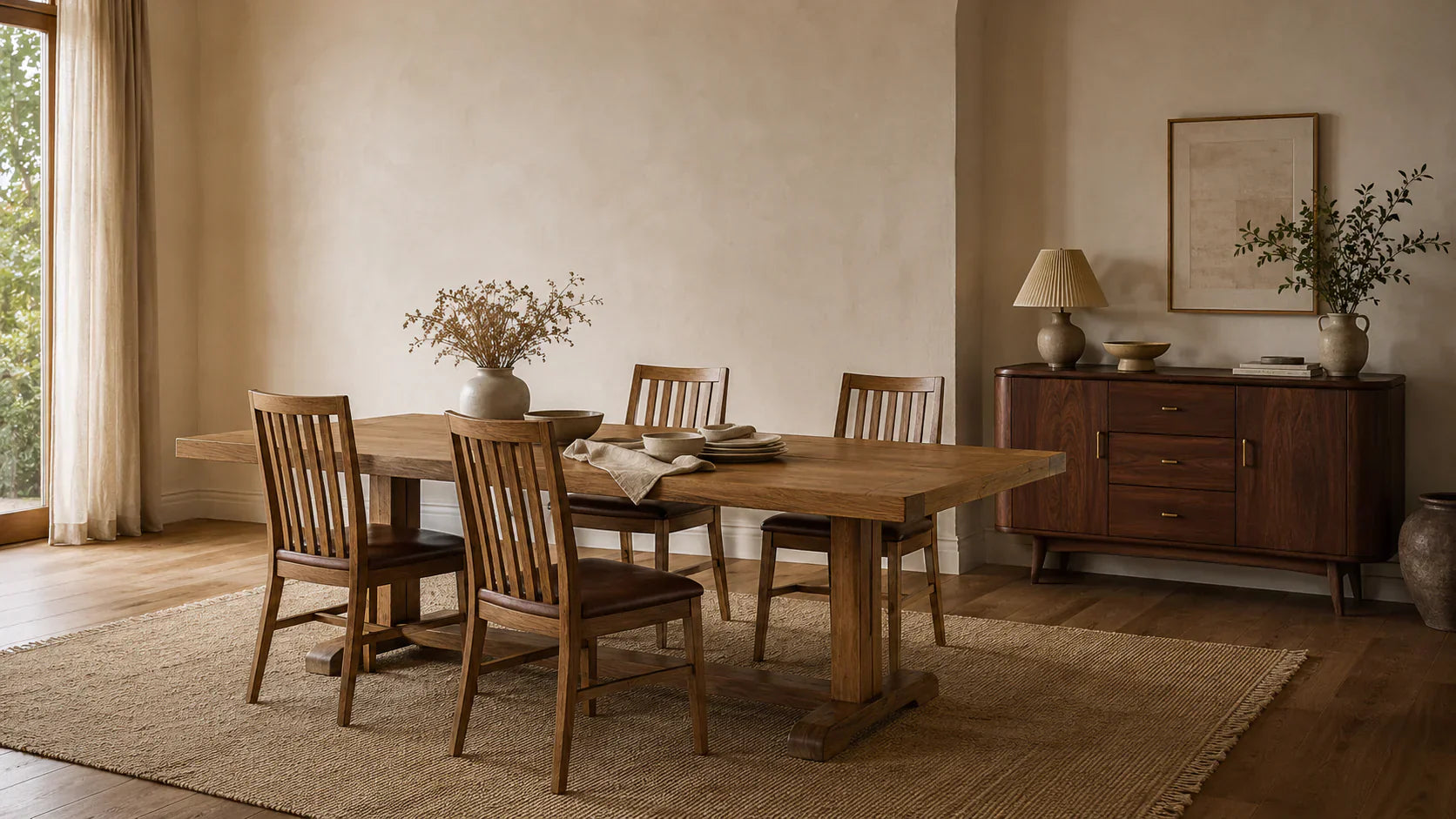
Oak sits between 1,200 and 1,400 lbf on the Janka scale, making it meaningfully harder than mango's 1,070 lbf. For flooring or kitchen work surfaces that take constant abrasive use, that gap is relevant. For furniture in a dining room, living room, or bedroom, where the daily demands are considerably lower, the practical difference shrinks considerably. Both woods show good resistance to cracking under normal indoor conditions. A properly finished mango wood dining table will hold up to family meals without issue.
Teak is a different conversation. Its natural oil content gives it a level of moisture and decay resistance that few other common furniture woods can match, and that reputation is earned. For outdoor furniture or pieces in genuinely humid environments, teak is the stronger choice. For indoor living, mango wood furniture is more than adequate. Choosing teak for a bedroom console table because it's "tougher" is like buying a truck to drive to the corner store, the capability is real, but the application doesn't need it.
The key phrase with mango wood is "properly finished." Untreated mango wood is susceptible to fungal and insect damage, and it can dehydrate near heat sources. A well-made piece from a reputable brand addresses both concerns before the furniture ever ships. Kiln-drying stabilizes moisture content; a quality finish protects the surface. Once those steps are done correctly, the wood handles the conditions of a normal home without drama.
Why mango wood is one of the most sustainable choices in home furnishings
The sustainability case for mango wood is one of the few in the furniture industry that holds up to scrutiny. It doesn't require certification as a starting point because the sourcing model itself is inherently circular. Orchard trees complete their agricultural life, get harvested, and become furniture rather than waste. Farmers receive secondary income from timber they'd otherwise lose. In typical supply chains, no virgin forests are cut, a meaningful contrast to many tropical hardwoods whose sourcing history is murkier.
Independent resources that examine the sustainability of mango wood generally support the idea that its agricultural-byproduct sourcing model is a net positive compared with many other tropical options. That said, certifications still matter when you're evaluating a specific brand. FSC certification isn't universally required for mango wood, but it's a meaningful signal when a brand carries it, because it means the supply chain has been independently audited. Beyond the FSC label, ask whether the brand discloses where its timber is sourced, whether it works with family farms, and whether fair trade practices apply. Vague language like "sustainably inspired" or "eco-conscious materials" without specifics tells you very little about what actually happened upstream.
Mercer & Gray participates in the Tree-a-Day Project, a reforestation initiative designed to go beyond responsible sourcing into direct environmental contribution. Responsible sourcing prevents harm; reforestation actively reverses it. Both matter, and not every brand does both.
What genuinely good mango wood furniture looks like
Quality in solid mango wood furniture is visible if you know where to look. A well-made piece shows consistent finishing across all surfaces, not just the top face. The grain runs continuously through the edges without interruption. The surface has a depth that photographs rarely capture fully because it shifts slightly with the light. Color variation across a table or cabinet isn't inconsistency, it's the natural character of the material, and a skilled craftsperson works with it rather than against it.
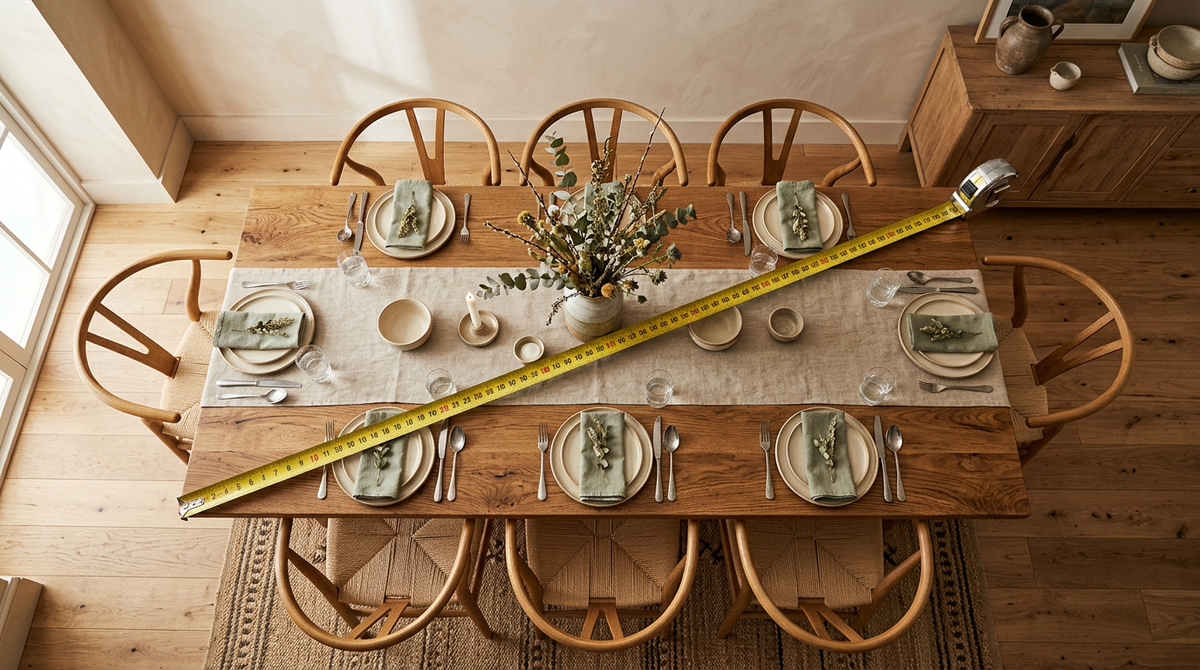
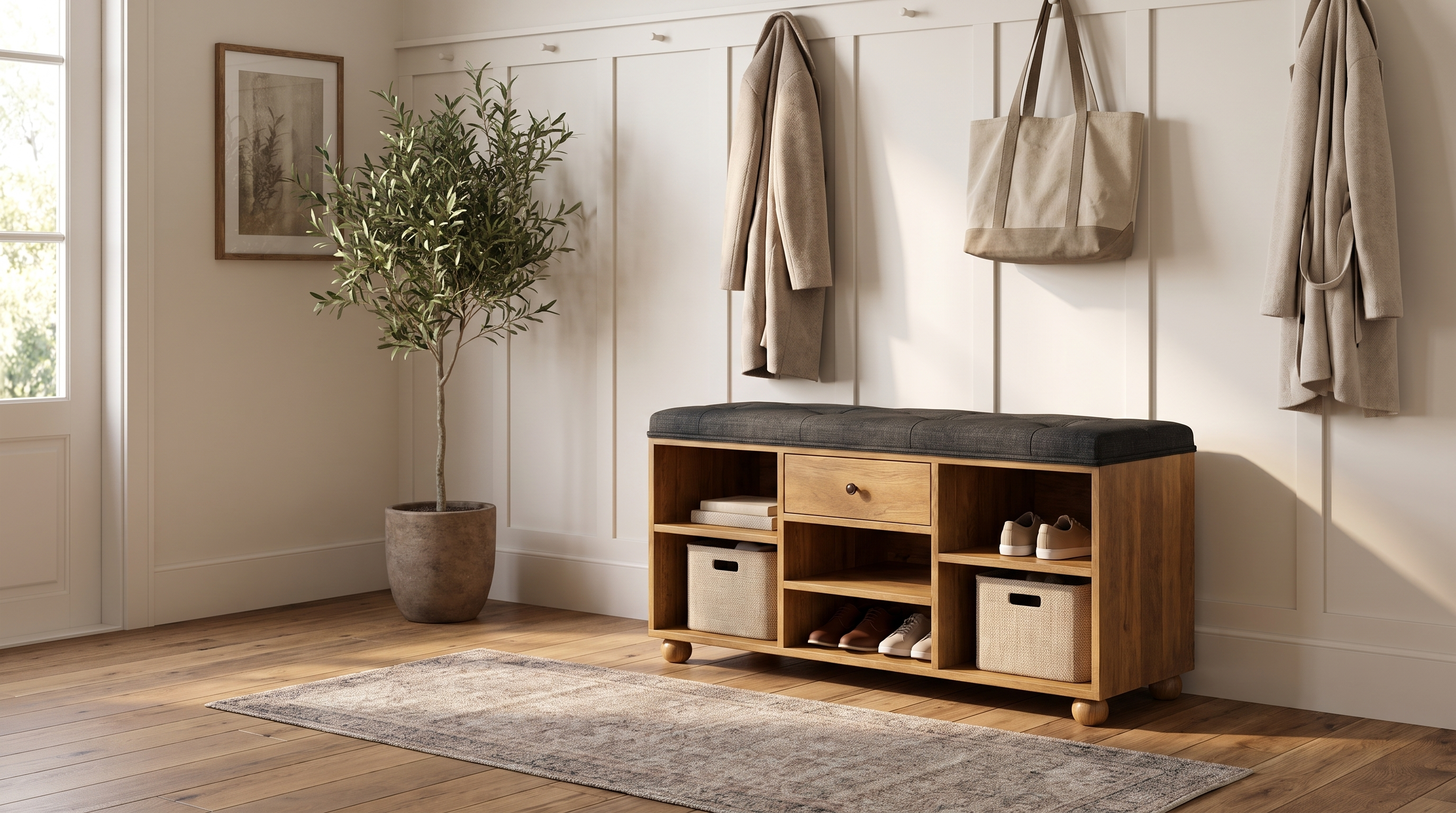
The mango wood furniture collections at Mercer & Gray are built from solid mango wood and other responsibly sourced timbers, handcrafted by skilled artisans using traditional woodworking techniques. Collections including Cove, Haven, Vale, Orchard, and Edessa are each designed around distinct interior aesthetics, from warm, lived-in dining rooms to refined home offices. The range spans mango wood tables, bedroom furniture, console tables, and living room pieces, so a buyer can furnish multiple rooms in a coherent style rather than assembling mismatched pieces from several different brands. For a deeper look at mango as a species and its common uses in furniture, see this mango wood species profile.
Bespoke customization is available across finishes, fabrics, paints, inlays, and carvings through a swatch library. That level of specificity is uncommon in the solid wood furniture market. For a buyer who has already committed to a color palette or a design direction, being able to tailor the piece to the space, rather than the other way around, changes the entire buying experience. See current shipping and pricing details on the Mercer & Gray product pages.
How to spot solid mango wood vs. veneer or engineered alternatives
The edge test for mango wood veneer
Spending real money on furniture requires knowing what you're actually buying. The gap between a solid mango wood piece and a veneer-over-MDF alternative isn't just aesthetic, it determines whether you're looking at something you refinish decades from now or something you replace in a few years. If you want additional guidance on identifying true solid wood pieces, our guide How to Find Solid Wood Furniture covers inspection techniques and label language in detail.
The most reliable test is the edge. On a true solid mango wood piece, the grain pattern on the top surface continues seamlessly through the side edge. If the edge grain looks noticeably different, more uniform, smoother, or showing a thin seam line where a layer ends, you're looking at mango wood veneer over an engineered core. Run your eye around every visible edge before committing to a purchase. A reputable retailer won't object to you looking closely.
Weight is a secondary indicator, not a definitive one. Solid mango wood is heavy because it's a single dense material throughout. Engineered alternatives are lighter, though particleboard cores can sometimes feel deceptively solid. Labels also require scrutiny: the phrase "solid wood products" on a tag doesn't always mean true solid wood, it can legally describe furniture with engineered components. Verify by inspecting grain continuity and asking the retailer directly.
Three mango wood care questions to ask before you buy
Before committing, three questions cut through vague claims: whether the wood was kiln-dried, whether it's been treated against fungal and insect damage, and whether it can be refinished. Specific, confident answers to all three indicate a brand that knows its material.
A simple mango wood care routine that keeps furniture looking great for decades
Owning solid mango wood furniture isn't complicated, but knowing where the risks sit makes prevention straightforward. Warping happens when wood hasn't been fully seasoned before construction, or when a piece sits too close to a heat source for extended periods. Cracking is most common in dry environments where the wood dehydrates over time. Fungal and insect damage occur in untreated wood; a properly finished piece from a quality brand is protected against both from the start.
Regular maintenance is genuinely simple. Dust with a soft cloth. Apply a wood polish, mineral oil, or quality wax every few months to keep the surface hydrated. Keep pieces away from direct sunlight and radiators. Wipe spills immediately, because moisture left to sit is the primary cause of surface staining. None of this requires specialty products or significant time, the investment is in attention, not labor. For a fuller care checklist and seasonal tips, see our How to Take Care of Wood Furniture guide.
For minor scratches, a generous application of oil and wax often blends the mark back into the surrounding grain. More visible damage responds well to a matching wax filler or touch-up pen. Because solid mango wood has real depth throughout, the surface can be sanded and refinished when significant wear eventually appears. Veneer-covered furniture offers no equivalent option; once the surface layer is gone, the piece is done. That refinishing potential is a quiet but meaningful part of what makes solid wood worth the investment.
The case for buying mango wood furniture right the first time
Mango wood furniture is a considered choice for homeowners who want something real. It's sustainable by design, durable for indoor living, and visually distinctive in a way that mass-produced furniture can't replicate. The character in the grain and the patina that builds over years of use are particular to wood that grew in an actual orchard, none of that exists in flatpack.
The key is buying it right. Learn what solid wood looks like at the edges and ask the retailer the questions that matter, kiln-drying, treatment, refinishability. Pair that with a simple care routine, and you have a piece that lasts decades rather than one that disappoints in a few years. If you're looking for a starting point, the Mercer & Gray mango wood furniture collections cover every room with pieces built to those standards, handcrafted and ready to last.